Review: A Schumann Symphony, a Harp Concerto, the Tannhauser Overture, and The Beethoven Choral Fantasy for Orchestra, Piano, Soloists, and Chorus make for a strong evening of symphonic music.
Concert of the Paducah Symphony Orchestra (46th Season, 2025-2026)
Saturday, April 18, 2026 7:30 - 9:30 p.m.
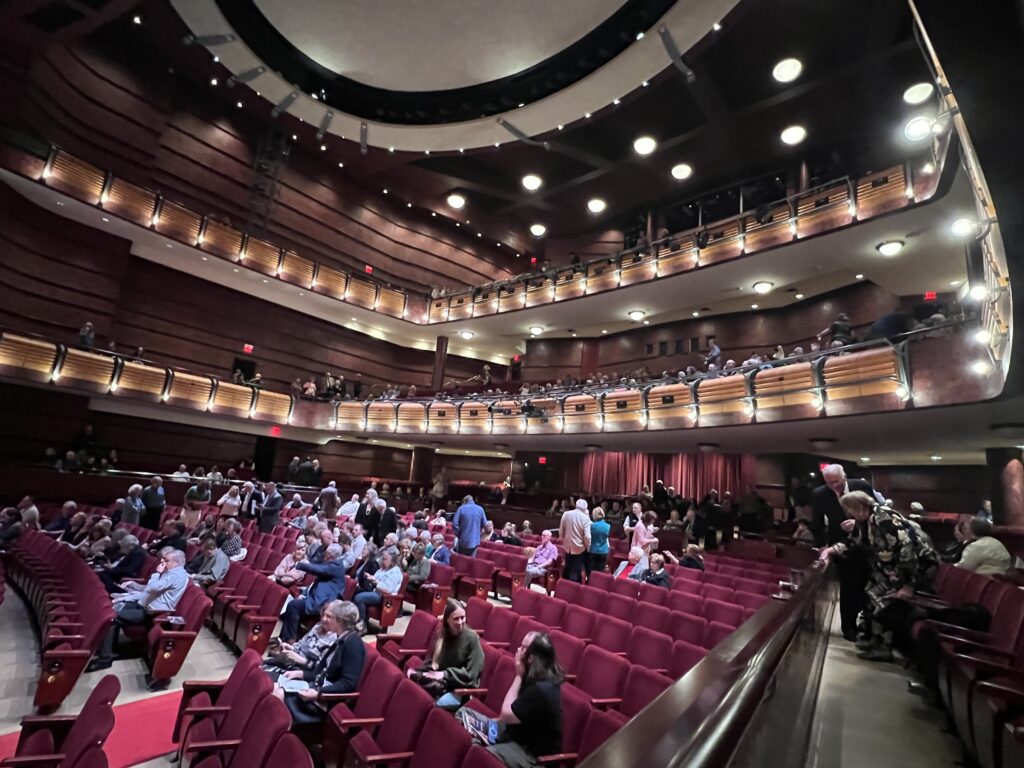
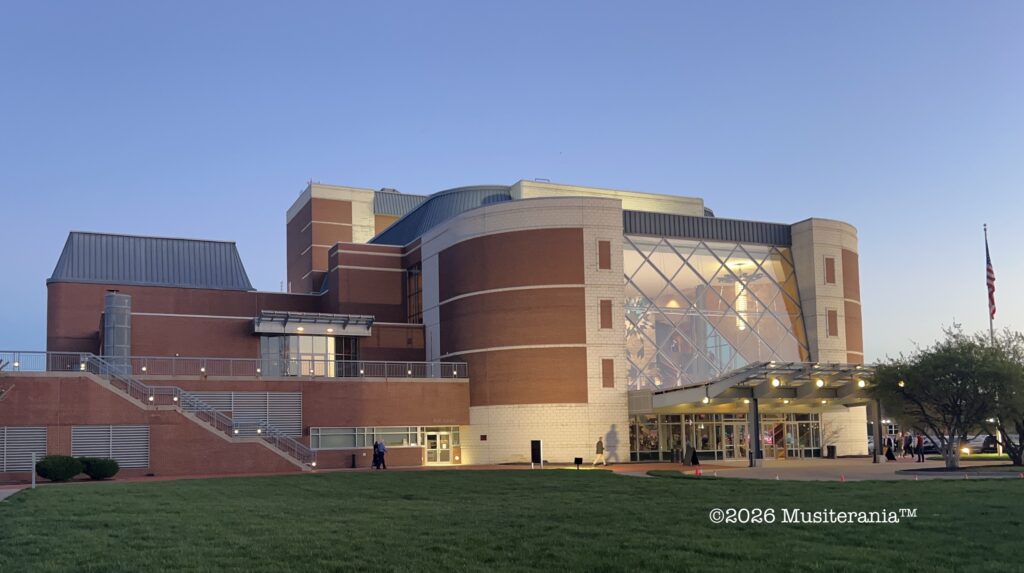
The Carson Center for the Performing Arts
Raffaele Livio Ponti, Artistic Director and Conductor
Kemal Gekic, Piano
Anna Maria Mendieta, harp
---
Symphony #2 in C Major Robert Shumann
- Sostenuto assai - Allegro, ma non troppo
- Scherzo: Allegro vivace
- Adagio espressivo
- Allegro molto vivace
Intermission
Tannhauser Overture Richard Wagner
---
Asturias: Harp Concerto Isaac Albeniz
arr: Anna Maria Mandieta & Vincet Russo
---
“Choral Fantasy” Ludwig van Beethoven
Fantasia for Piano, Soloists, Chorus, & Orchestra
-
The Chorus was combined from the following Ensembles:
- The Paducah Symphony Chorus:
- Dr. Bradley Almquist, Director
- The Paducah Symphony Youth Chorus:
- Ms. Samantha Veal, Director
- McCracken County High School Varsity Choir:
- Ms. Savannah Fallis, Director
- The Paducah Singers:
- Dr. Susan Davenport, Director
- Murray State University Treble Chorus,
- Dr. Bradley Almquist, Director
- Dyersburg State Community College Choir:
- Dr. Brianna Reilly, Director
- University of Tennessee at Martin Choir:
- Dr. Mark Statler, Director
- The Paducah Symphony Chorus:
One of the most rewarding aspects of the Paducah Symphony Orchestra is its integration of high school students. Last night, the vocal soloists were from McCracken County High School, and the chorus joined the symphony chorus for Beethoven’s Choral Fantasy. They performed beautifully. At that age, I can hardly imagine a better opportunity than performing alongside a full symphony orchestra.
The drive down included high winds and light rain as a cold front moved through Kentucky, leaving behind today’s stunning weather. Later, I’ll return to Bowling Green via the scenic 68/80 route from Cadiz.
Robert Schumann wrote a great deal of compelling music, though I am not entirely convinced by his symphonies. While they fulfill many expectations of a classical or early Romantic structure, they do not quite reach the expressive depth of Brahms or Beethoven. Still, they are enjoyable and serve well as opening repertoire—music that allows an orchestra to settle in. I was particularly drawn to the slow third movement, where several string textures stood out with striking effect.
Wagner’s Tannhäuser Overture remains a masterclass in thematic development and orchestral color. The performance was accurate and energetic, producing a full sound despite a modest ensemble size. The sweeping string passages were especially effective, supported by strong brass playing and confident winds in exposed moments that demand precision and focus.
The Asturias Harp Concerto, featuring harpist Anna Maria Mendieta, unfolded as a single continuous movement. Dressed in a striking gown reminiscent of Carmen, Ms. Mendieta displayed both virtuosity and sensitivity—alternating between brilliant solo passages and rich orchestral textures. The piece carried a cinematic quality, evoking the feeling of a musical journey, almost like a soundtrack to a road film.
Beethoven’s Choral Fantasy was the highlight of the evening and the primary reason for my visit to Paducah. It is a fascinating work that gradually expands in scope without pause:
Piano solo introduction
Orchestra enters
String quartet interlude
Wind and brass solos
Five vocal soloists join
Full chorus brings the work to its conclusion
This evolving structure—each new layer adding depth—makes the piece unique in music history. One can easily imagine Beethoven himself at the piano, commanding the moment as only he could.
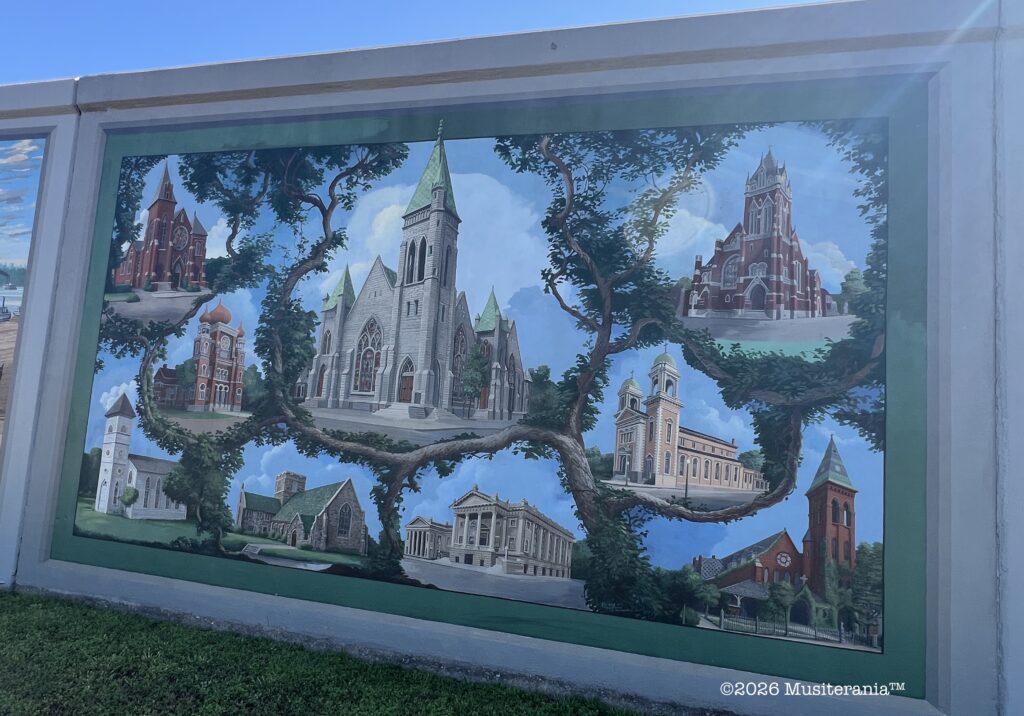
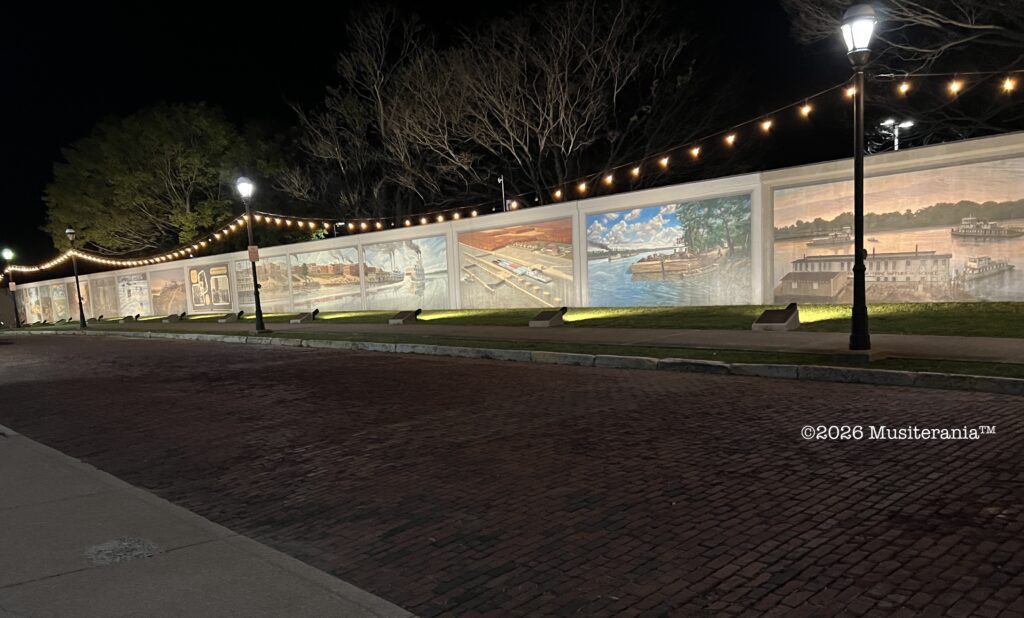
After the concert, I strolled downtown and went to the riverside until I finally drove to the 1895 Washington Hotel, a charming bed-and-breakfast here in town, and had a great rest.
I just finished a breakfast croissant at Over/Under and am now enjoying coffee after a morning stroll through downtown Paducah, Kentucky. It is a perfect Sunday morning—ideal for walking along the river, taking photos, and reflecting on the wonderful concert I witnessed last night. I was able to write most of this post at Over/Under.
During my walk this morning, I happened to meet Dr. Ching-Yi Lin, Concertmaster of the Paducah Symphony and Violin Professor at Western Kentucky University; her husband, Andrew Braddock, 1st Chair Violist and Viola Professor at WKU; and their family. It was good to see familiar faces on the street. I also reconnected with violinist and Bowling Green resident Julianna Waller-Martinez, whom I met after a previous concert. Their work teaching violin and supporting youth string programs at WKU and in Warren County is deeply appreciated.
I attended the concert with my brother, Dr. Mark Simpson, and his wife, Julie, who drove from Martin, Tennessee, to meet me. We sat in the top balcony, first row—excellent seats despite a slightly obstructed view from lighting fixtures. The sound up there is great.
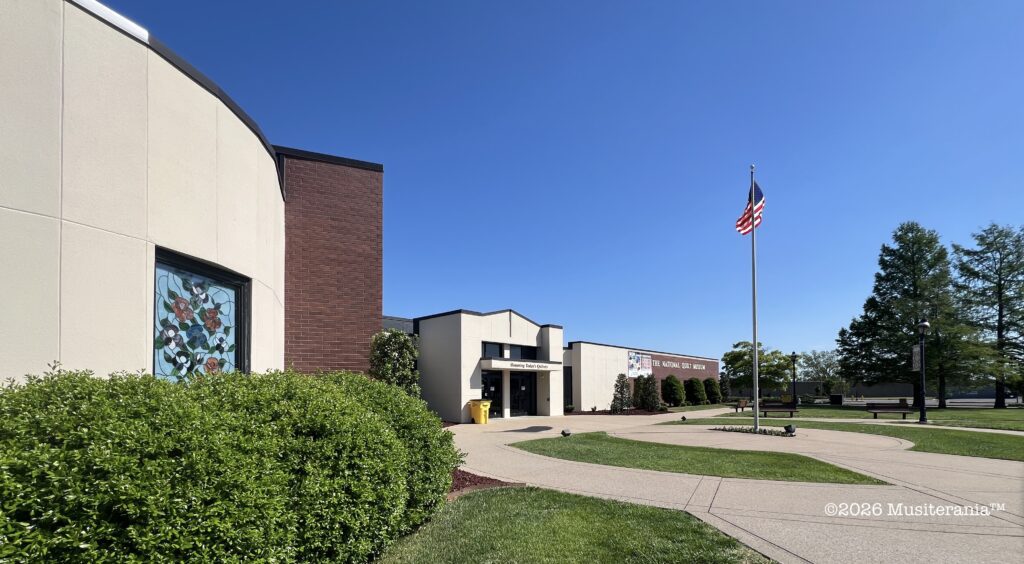
Musiterania’s mission is to travel across America, visit great venues, review acoustical performances, and capture the atmosphere of cities and towns. The dedication of arts organizations throughout the country is both inspiring and essential. Experiencing musicians performing at their highest level—bringing great music to life in meaningful settings—is something truly worth preserving.